Introduction
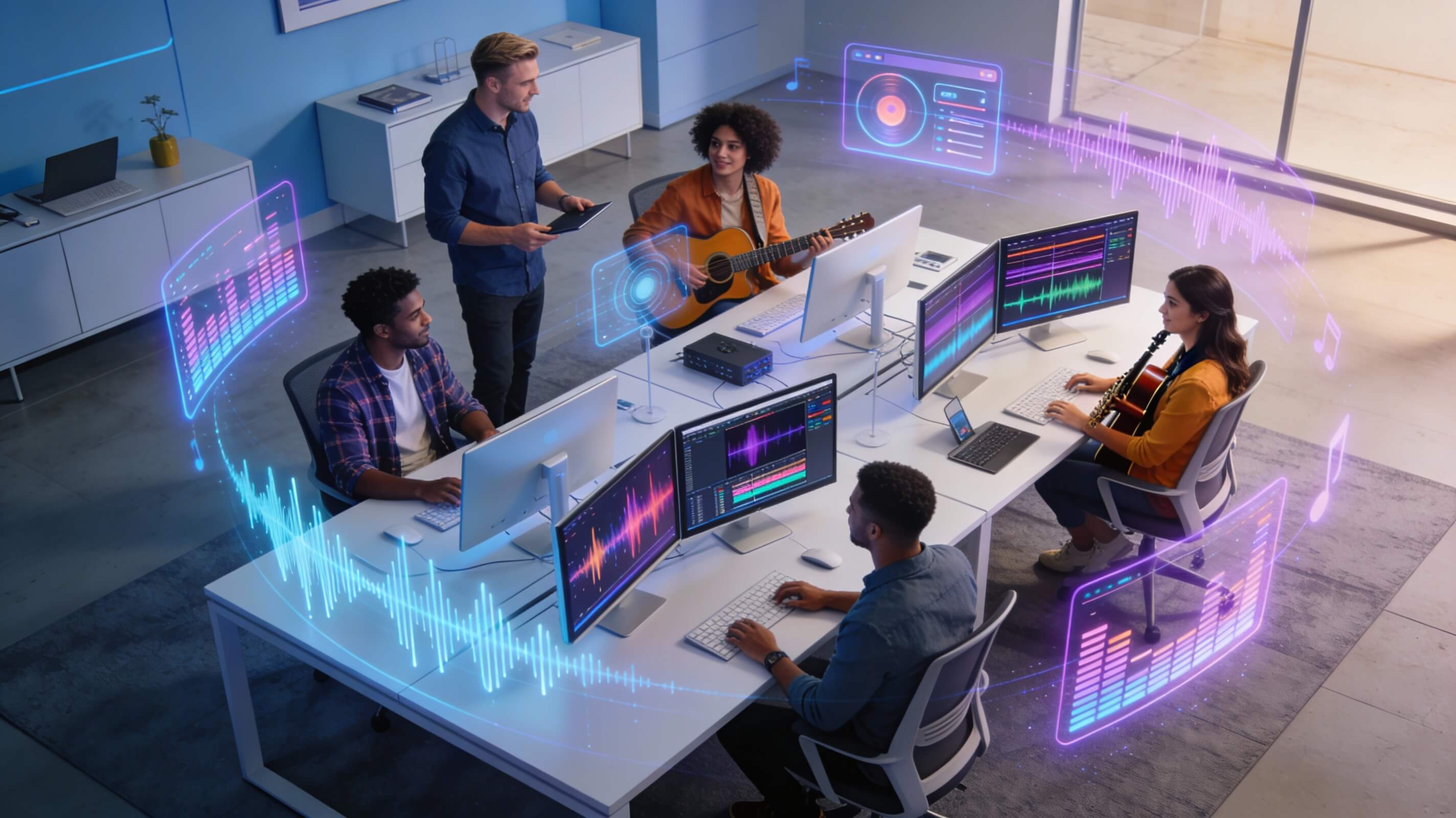
Music has long been the backbone of digital content—from YouTube videos and podcasts to indie games and marketing campaigns. Yet for most creators and startups, the barrier to entry has always been the same: either learn music production (a skill requiring months of training) or pay expensive licensing fees or composers. This is where AI music generators are reshaping the landscape.
AI music generation technology is democratizing music creation, allowing founders, content creators, podcasters, and entrepreneurs to generate professional-quality, royalty-free music in minutes. The implications are significant: reduced production costs, faster time-to-market, and the ability to focus on core business strategy rather than vendor management.
Why AI Music Generation Matters for Startups
For early-stage startups and bootstrapped entrepreneurs, music licensing is often an overlooked but real cost. Licensing a single track for commercial use can range from $50 to $500+. For startups producing frequent content—social media ads, YouTube channels, podcasts, game soundtracks, or animated explainers—these costs accumulate quickly.
Beyond cost, there's the constraint of time. Waiting for a composer or navigating licensing marketplaces takes weeks. AI music generators compress this timeline to minutes, enabling agile content strategies and rapid experimentation with different moods and styles.
Core Features Transforming Music Creation
- Text-to-Music Generation: Convert any text description into a full musical piece. Simply input your desired mood, style, and instrumentation, and the AI creates a unique composition in minutes.
- Lyrics-to-Music: Have lyrics but no melody? Transform your written lyrics into complete musical pieces with matching vocals, eliminating the need for singers and arrangers.
- Vocal Removal & Isolation: Strip vocals from any track to create instrumentals or isolate vocals for remixing—a feature that traditionally required expensive software and expertise.
- Music Splitting: Separate songs into individual stems (vocals, drums, bass, instruments) with AI precision, enabling DJs, producers, and remixers to work with components directly.
- Remix & Recreation: Modify existing songs by changing tempo, style, or adding effects, allowing for quick iteration without re-recording.
- Melody Generator: Generate original melodies based on your specifications to spark creative ideas or provide the foundation for new compositions.
Real-World Applications for Founders
Content Creators & YouTubers: Generate unique background music for every video without copyright strikes. One creator reported saving hundreds of hours previously spent searching for royalty-free music, while maintaining complete creative control over audio branding.
Podcasters & Audio Producers: Create signature intro/outro music that's uniquely yours. Instead of generic music shared across thousands of shows, podcasters can now generate branded audio signatures that reinforce their identity and production quality.
Game Developers: Indie game developers can generate context-specific background music—ambient forest themes, intense battle tracks, or melancholic narrative moments—without the budget for composers. This accelerates game development timelines and enables rapid iterations on game feel.
Marketing & Advertising: Startups running ad campaigns across platforms need fresh, on-brand music constantly. AI generators allow marketing teams to match music to campaign mood and target audience without licensing headaches or delays.
SaaS & App Developers: Add polish to mobile apps and web products with custom background music. Small features like tutorial videos or onboarding flows can now have professional-quality audio without adding significant development overhead.
E-learning & EdTech: Educational content creators can enhance course videos with mood-appropriate background music, improving student engagement and making courses feel more professional.
Pricing & Accessibility
AI music generators offer democratized pricing tiers designed for creators at every stage:
- Free Plan: 10 daily credits (2 songs) with full feature access—perfect for testing and experimentation with no payment required.
- Basic ($14/month): 4,000 annual credits (~800 songs), ideal for independent creators and hobbyists exploring AI-powered music production.
- Standard ($24/month): 24,000 annual credits (~5,000 songs), designed for expanding content teams and small companies with frequent music needs.
- Pro (Unlimited): Unlimited credits and commercial licensing, built for enterprises and professional creators with unlimited production demands.
Annual plans offer significant savings—up to $240 annually on the Pro plan—making sustained music generation affordable even for bootstrapped startups.
The Competitive Advantage
Speed, cost, and customization converge into a competitive advantage. While competitors are negotiating licenses or waiting for composers, startups using AI music generators can:
- Ship content 10x faster with unique, on-brand audio
- Reduce production budgets by eliminating composer and licensing fees
- A/B test different musical styles and moods without production delays
- Scale content production without proportional increases in overhead
- Maintain consistent brand voice across all audio touchpoints
Overcoming the Skill Gap
One of the most underrated aspects of AI music generation is accessibility. Traditional music production requires understanding DAWs (Digital Audio Workstations), music theory, and sound design. AI music generators eliminate these barriers—creators describe what they want, and the AI handles composition, arrangement, and production.
This democratization isn't just about convenience; it's about enabling non-musicians to participate in audio branding, a domain previously reserved for those with formal training or significant budgets.
Use Case Example: The Podcast Founder
Imagine you're launching a startup podcast aimed at early-stage founders. With traditional approaches, you'd either use generic royalty-free music (shared with thousands of other podcasts) or hire a composer ($200-500 per intro/outro). With an AI music generator, you can generate 5-10 unique intros in 10 minutes, each with different moods and instrumentation, then share samples with your co-hosts to choose the one that best represents your brand voice. Total cost: $24/month subscription. Total time: under 15 minutes. The result: a custom audio signature that makes your podcast immediately recognizable and reinforces your brand identity.
Key Takeaways for Founders
- Cost Reduction: Eliminate licensing fees and composer costs—one of the quickest wins for early-stage startups managing tight budgets.
- Time Efficiency: Move from weeks of licensing negotiations to minutes of AI generation, enabling faster content shipping and market responsiveness.
- Creative Control: Generate music aligned exactly with your brand voice and content tone, without compromising to available off-the-shelf options.
- Scalability: As your content production scales, your music generation costs scale linearly, not exponentially, keeping overhead manageable.
- No Skill Barrier: Launch professional-quality audio without hiring musicians or learning music production—lowering execution risk for non-technical teams.
Conclusion
AI music generators represent a fundamental shift in how creators approach music—from a scarce resource requiring expert talent and significant capital, to an abundant tool accessible to any founder with a vision. Whether you're building a podcast, gaming startup, content platform, or marketing-heavy SaaS, AI music generation compresses timelines and unlocks new possibilities in audio branding.
The competitive advantage isn't in having better music—it's in having unique, on-brand music faster and cheaper than competitors. For startups operating on limited budgets and tight timelines, that difference compounds quickly.
Ready to differentiate your startup with unique, AI-generated audio? Share your music-centric startup idea on StartupIdeasAI.com to connect with investors, collaborators, and innovators who are building the future of creator tools.