Introduction
For decades, the creation of high-quality 3D assets has been a notorious bottleneck in digital production. While 2D generative AI has exploded in capability, 3D generation has lagged behind, often producing "blobby" meshes or untextured geometry that requires hours of manual cleanup. This friction has kept the cost of 3D content high and accessible only to specialized teams.
TRELLIS 2 represents a generational leap in this space. By utilizing advanced structured latent AI technology, it solves the geometry-texture disconnect that plagued earlier models. It offers founders, game developers, and technical artists a way to generate robust, fully textured 3D models from a single image reference, moving AI 3D generation from a novelty to a viable production utility.
What This Startup Does
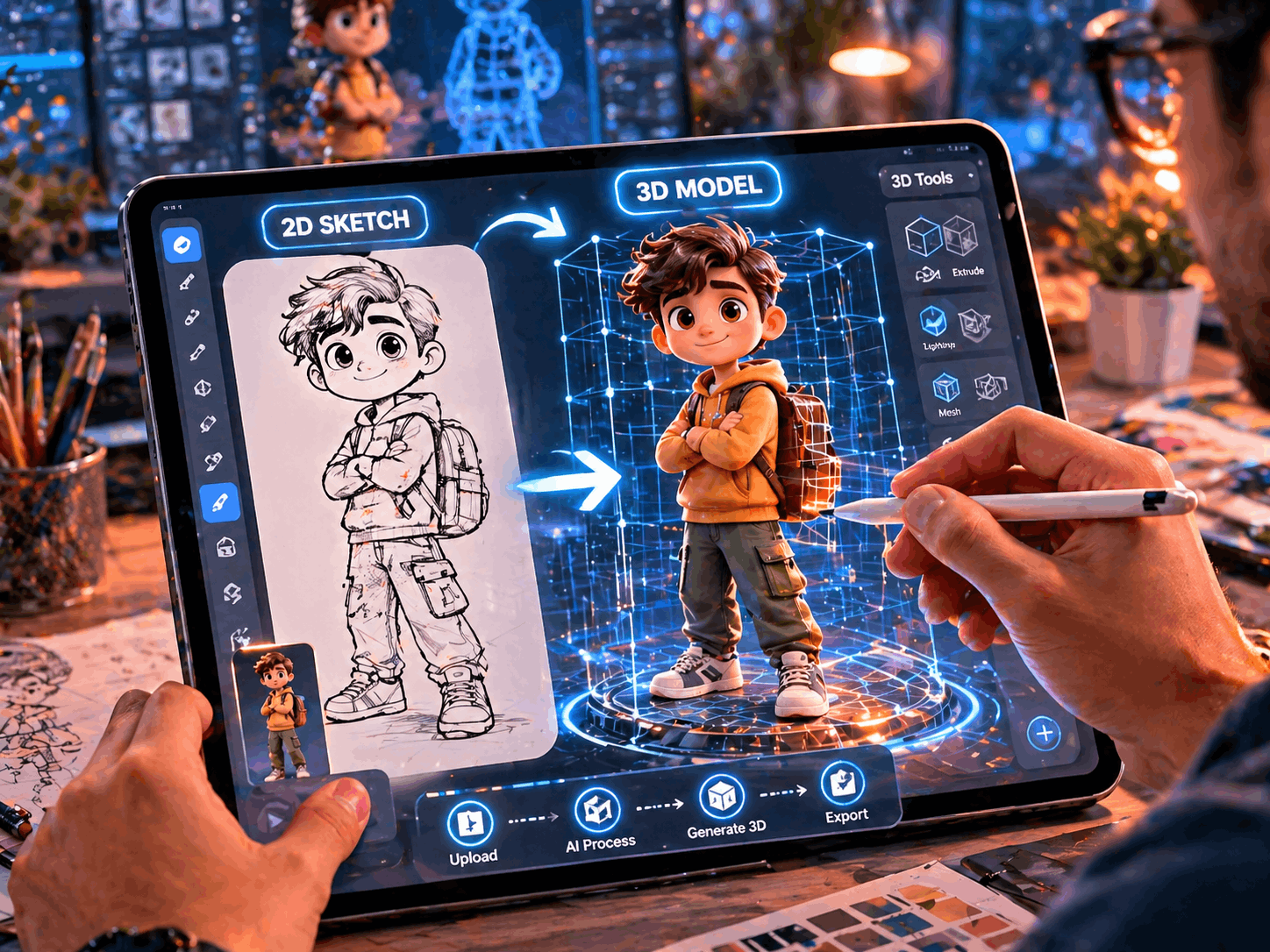
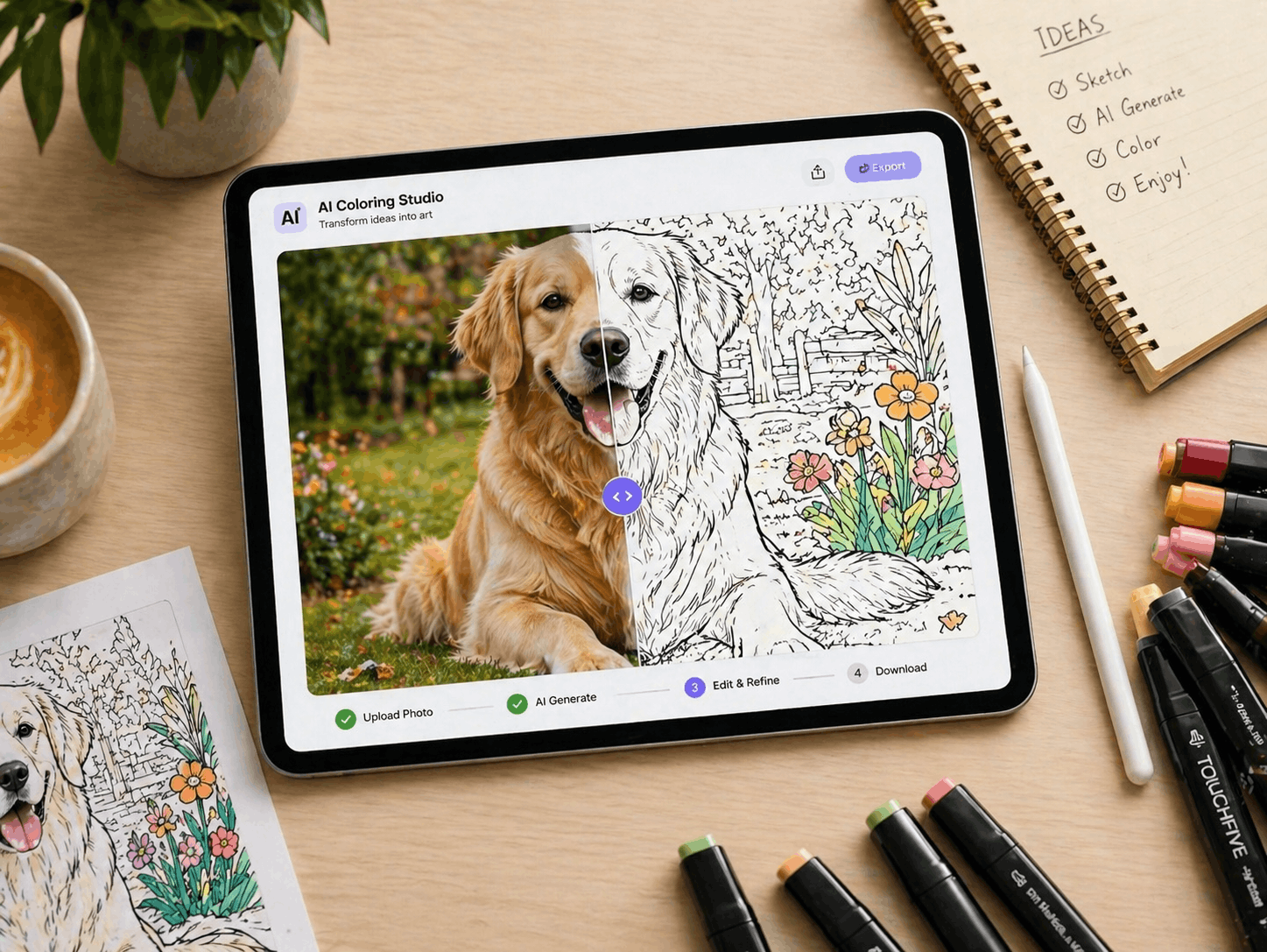
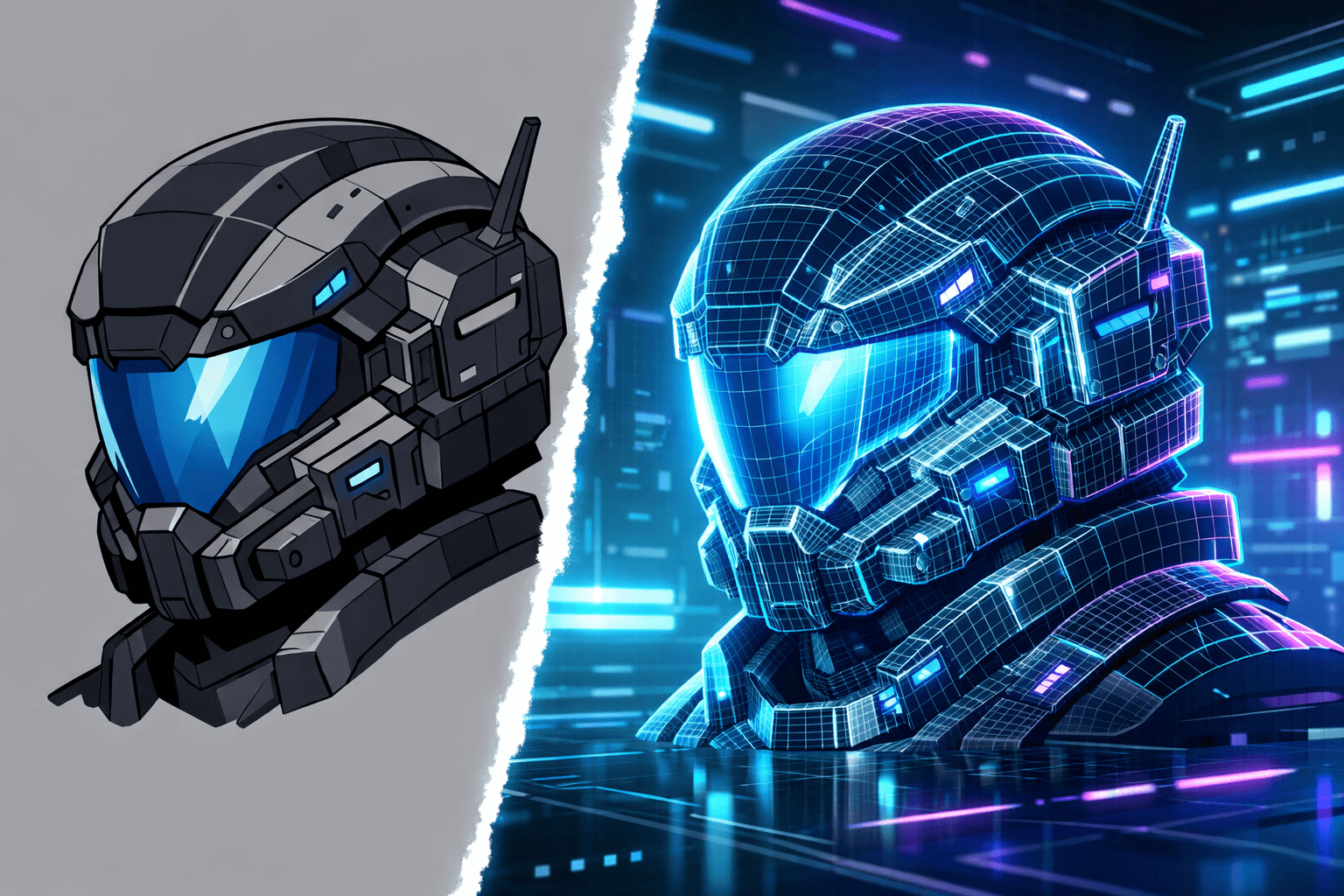
TRELLIS 2 is an AI-powered engine that performs high-fidelity Image-to-3D conversion. Users upload a static 2D image—whether it’s a concept sketch, a photograph, or a logo—and the system processes it to generate a complete 3D asset.
Unlike earlier tools that merely estimated depth, TRELLIS 2 reconstructs the object's full volume, inferring the "hidden" sides of the object with remarkable coherence. Crucially, it doesn't just output a gray mesh; it simultaneously generates high-resolution textures, including physically based rendering (PBR) maps, ensuring the model looks realistic under different lighting conditions.
Key Features and Capabilities
- Structured Latent AI (SLAT): The core technology uses a unified representation that captures both geometry (shape) and appearance (texture) simultaneously. This prevents the "mismatch" often seen where a texture doesn't quite align with the 3D shape.
- PBR Texture Support: It generates not just color (albedo) maps, but also roughness, metallic, and normal maps. This means assets are ready for modern game engines like Unity or Unreal Engine 5 right out of the box.
- Complex Topology Handling: Unlike SDF-based methods that struggle with thin objects or holes (like the handle of a mug or a lattice fence), TRELLIS 2 handles arbitrary topologies with ease.
- High-Speed Inference: The model is optimized for speed, capable of turning an image into a downloadable GLB or OBJ file in seconds rather than minutes.
Use Cases and Practical Applications
The speed and fidelity of TRELLIS 2 unlock several high-value workflows for builders and creative teams:
- Rapid Game Prototyping: Indie developers can populate entire levels with varied props (crates, furniture, rocks) generated from concept art in an afternoon, drastically reducing the "greyboxing" phase.
- E-Commerce & Retail: Brands can automate the conversion of product catalog photos into 3D models for AR "try-before-you-buy" experiences without hiring expensive modeling agencies.
- VR/AR Asset Pipelines: For spatial computing apps where performance is key, TRELLIS 2 generates clean enough geometry to be used as background assets or interactive objects in immersive environments.
- 3D Printing Prep: Makers can take 2D drawings or logos and convert them into 3D-printable meshes, streamlining the design-to-print workflow.
Why This Startup Stands Out
Differentiation in the 3D AI space usually comes down to two factors: fidelity and usability. TRELLIS 2 excels in both.
Most competitors (like early versions of Point-E or Shap-E) produced point clouds that looked like ghostly holograms—useless for actual game development. TRELLIS 2 outputs meshes, the standard format of the industry. Furthermore, its ability to handle "structured latents" allows it to understand an object's structure more deeply than pixel-based estimation, resulting in models that feel solid and coherent from all angles. It bridges the gap between research-grade AI and artist-ready tools.
Conclusion
TRELLIS 2 is more than just a cool demo; it is a preview of a future where 3D content creation is democratized. By lowering the barrier to entry for creating textured, volumetric assets, it empowers a new wave of creators to build immersive worlds without needing a decade of experience in Blender or Maya.
Share your startup idea on StartupIdeasAI.com to get discovered by founders, investors, and innovators.
Frequently Asked Questions
What file formats does TRELLIS 2 export?
The platform typically supports standard industry formats including GLB (glTF), OBJ, and occasionally FBX, ensuring compatibility with major 3D software like Blender, Maya, Unity, and Unreal Engine.
Can it handle complex shapes like open loops or thin structures?
Yes. Thanks to its "structured latent" approach and ability to handle arbitrary topology, TRELLIS 2 is significantly better at generating objects with holes (like donuts or mugs) and thin structures (like plant leaves) compared to older SDF-based models.
Is the texture quality suitable for final production?
For background assets, props, and prototyping, the quality is often production-ready. For "hero" assets (main characters or focus objects), artists may still want to refine the UV maps or textures manually, but TRELLIS 2 provides an excellent starting base.