Introduction
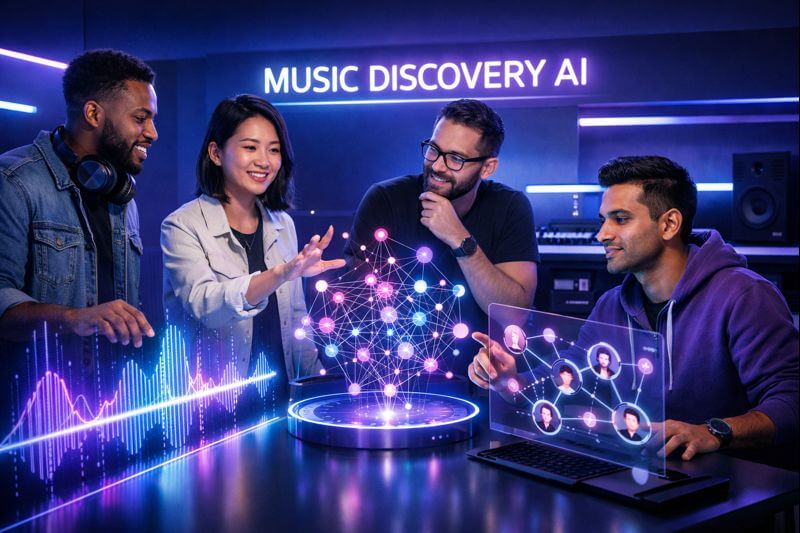
In the modern digital landscape, a song’s success is no longer just about the melody—it’s about its "discoverability." For founders in the music tech space, understanding the hidden layers of music recommendation algorithms is the ultimate competitive advantage. Platforms like Music Tomorrow have pioneered the concept of algorithmic transparency, shifting the industry from guesswork to a science known as Recommender System Optimization (RSO). For startups, this shift represents a massive opportunity to build tools that help creators and labels navigate the complex web of AI-driven discovery.
Main Insights
- The Shift from SEO to RSO: Just as websites optimize for Google, music professionals must now optimize for streaming algorithms. Recommender System Optimization (RSO) involves aligning metadata, audio profiling, and audience clusters to trigger algorithmic "halo effects."
- Algorithmic Transparency as a Product: There is a growing demand for "Glass Box" AI. Startups that provide transparency—showing creators *why* they are being recommended and *to whom*—are gaining more trust than opaque platforms.
- The Power of Artist Clusters: Modern algorithms don't just look at genres; they look at behavioral clusters. Success depends on identifying "algorithmic neighbors"—artists whose fans share similar listening patterns.
- Hybrid Feedback Loops: Algorithms rely on both explicit (saves, shares) and implicit (playthrough rate, skip rate) data. Founders must design interfaces that encourage high-value signals to satisfy the RecSys (Recommendation System).
Examples / Ideas
Imagine a startup building a "Smart A&R" tool. Instead of just looking at social media followers, the tool uses Music Tomorrow’s framework to analyze an artist's "Algorithmic Health." It could predict which artist clusters a new track will land in before it’s even released. Another example is a marketing platform that automates "Cluster-Targeted Ads," ensuring that a bedroom producer’s budget is spent only on listeners who are mathematically likely to save the song, thereby triggering the Spotify or YouTube "Discover Weekly" effect.
Conclusion
The future of the music industry belongs to those who can decode the algorithm. By focusing on data transparency and optimization, music tech founders can empower artists to take control of their digital destiny. As we move further into 2025, the bridge between creative art and data science will only get shorter.
Share your startup idea on StartupIdeasAI.com to get discovered by investors and innovators.