Introduction
We have all been there: scrolling through Instagram or Pinterest, spotting a breathtaking landscape or a charming street corner, and asking, "Where is this?" In the past, unless the uploader tagged the location or left the GPS metadata intact, you were out of luck. Today, Picarta.ai is changing the landscape of digital discovery.
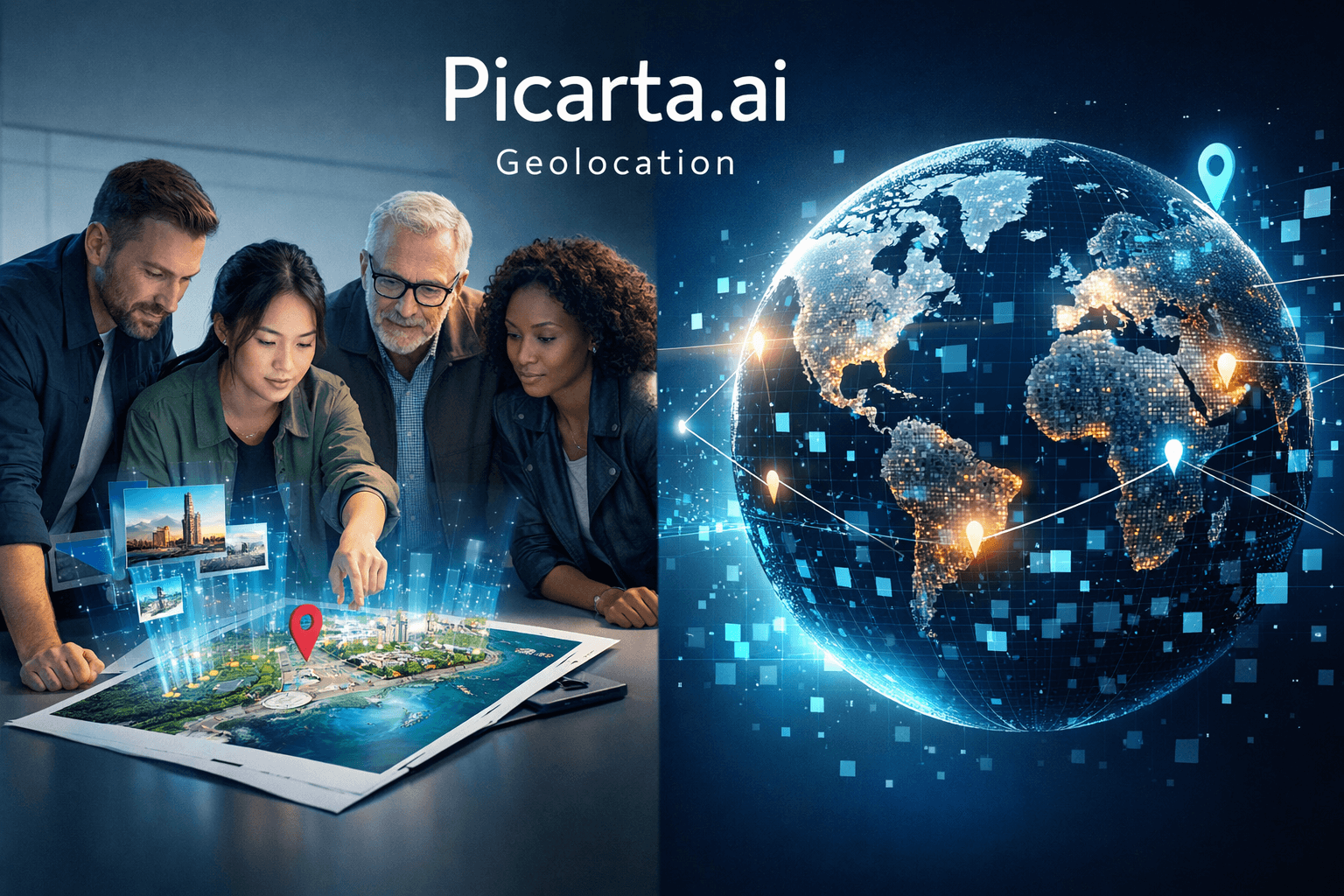
Picarta.ai is an advanced, AI-powered geolocation tool designed to pinpoint the exact location of a photo without relying on metadata. By analyzing visual cues—such as vegetation, architectural styles, road markings, and weather patterns—it turns static pixels into precise coordinates. For startup founders, OSINT (Open Source Intelligence) investigators, and travel enthusiasts, this technology represents a massive leap in how we verify digital content and interact with the physical world.
How Picarta.ai Works: Beyond Reverse Image Search
Many users confuse geolocation tools with standard reverse image search engines like Google Lens or TinEye. While those tools look for matches of the same image elsewhere on the web, Picarta.ai is built to understand the image.
Using state-of-the-art computer vision and deep learning models, Picarta treats the photo like a puzzle. It breaks down the image into millions of data points, cross-referencing them against a massive global dataset of geotagged imagery. The result is a predicted location—often accurate down to the specific city, street, or even the exact GPS coordinates—even if that specific photo has never been uploaded to the internet before.
Key Features and Main Insights
Why is Picarta.ai becoming a go-to tool for developers and investigators in 2025? Here is a breakdown of its core capabilities:
- Metadata-Free Analysis: Most social media platforms strip EXIF data (GPS info) from photos to protect privacy. Picarta doesn't need this data; it relies entirely on visual context.
- Global Coverage & Precision: Whether it is a bustling street in Tokyo or a rural road in Iceland, the AI provides a confidence score and a radius of probability, giving users transparency regarding the accuracy of the result.
- Developer API Integration: For startup founders, Picarta offers an API, allowing you to integrate powerful location intelligence into your own apps—perfect for travel tech, real estate, or verification platforms.
- Privacy-First Approach: Picarta.ai emphasizes that it does not use facial recognition. It focuses strictly on environmental and background elements to determine location, making it a safer choice for general use.
Top Use Cases for Picarta.ai
1. OSINT and Journalism
In an era of deepfakes and misinformation, verifying the "where" and "when" of a photo is critical. Journalists and OSINT researchers use Picarta to verify user-generated content during breaking news events, ensuring that footage claiming to be from a specific conflict zone or protest is authentic.
2. Travel Planning and "Hidden Gem" Discovery
Travel startups are using geolocation AI to revolutionize trip planning. Instead of searching for "best beaches," users can simply upload a screenshot of a location they love. Picarta identifies the spot, allowing travelers to book trips to the exact "hidden gems" they see on social media.
3. Educational and Geoguessr Gaming
For geography buffs and players of games like Geoguessr, Picarta acts as the ultimate training tool, helping users learn how to identify soil types, bollards, and architectural trends to improve their own geolocation skills.
Frequently Asked Questions (FAQ)
Is Picarta.ai free to use?
Picarta typically operates on a credit-based model. New users often get free credits to test the accuracy of the tool, with paid plans available for power users and API access.
Can it find the location of any photo?
While highly advanced, the AI works best with photos containing distinct outdoor features (buildings, mountains, signs). Indoor photos or extreme close-ups without background context are harder to geolocate.
Conclusion
Picarta.ai is a prime example of how niche AI tools are solving specific, high-value problems. By unlocking the "where" behind our images, it bridges the gap between digital content and physical reality. Whether you are building the next travel app or an investigative platform, geolocation technology is a trend worth watching.
Share your startup idea on StartupIdeasAI.com to get discovered by investors and innovators.